

PORTAL A
Ginners & Seed Suppliers
Regional gins and grain desks with fuzzy cottonseed to place under forward season contracts or track allocation.
Australian grown · Australian processed · NSW
Southernkraft Industries is developing dedicated mechanical cottonseed processing, expeller pressing, and modular vegetable oil refining infrastructure in New South Wales to deliver continuous, high-energy feed fractions and premium frying oil for Australia and New Zealand.
Made in Australia
Our plan is to grow and process in Australia, then supply buyers across Australia and New Zealand. Processing locally keeps the value and the jobs in regional Australia.
Cottonseed sourced from Australian cotton gins, not imported.
Seed preparation, pressing and refining planned at one site in New South Wales.
Cake, hulls and oil intended for feedlots, dairies and kitchens on both sides of the Tasman.
Our target
Based on our processing knowledge, we are aiming for a cake with more protein per tonne than typical cottonseed meal, with its natural oil kept in for energy. These are design targets, and we will confirm them through trials during commissioning.
| Parameter as fed | Our targetExpeller cake | Typical cottonseed mealPublished typical analysis |
|---|---|---|
| Crude protein | 40–42%* | 35.0% |
| Fat (natural oil) | ≥ 7.0%* | 7.0% typical · 6.0% min |
| Metabolisable energy, ruminants | ≥ 11.0 MJ/kg* | 11.0 MJ/kg |
| Crude fibre | Expected lowerBased on our process design | 15.0% typical · 20% max |
| Ration flexibility | Bulk roughage also offeredPlanned, for use where needed | Hulls in the mealFibre level set by the meal |
| Physical form | 4–15 mm flakesPlanned, with coarse meal as an option | Meal / pellets |
If we reach our 40–42% target, each tonne would carry 14–20% more protein than typical meal at 35%.
We plan to screen the cake into even flakes suited to mixer wagons, with coarse meal as an option.
Mechanical pressing is intended to leave natural cottonseed oil in the cake as an energy source.
Estimate only, assuming our target analysis is achieved.
* Typical analysis, as fed basis. There may be variations of composition depending on seasonal conditions and raw materials. Our values are design targets and will be confirmed through commissioning trials. Typical cottonseed meal values are taken from a published Australian cottonseed meal product sheet (typical analysis and specification, as fed).
Stakeholder portals
The project is being shaped with the people who would supply it, buy from it and host it. Pick your role to see the relevant specifications and the short survey for your sector.
Regional gins and grain desks with fuzzy cottonseed to place under forward season contracts or track allocation.
Beef feedlots, backgrounders, dairies and consulting ruminant nutritionists evaluating expeller cake and bulk hulls.
Takeaway groups, fish-and-chip operators, packagers and food manufacturers buying high-stability frying oil.
Industrial landholders, councils, utilities, haulage operators and equipment suppliers in New South Wales, where the plant is projected.
Feedstock
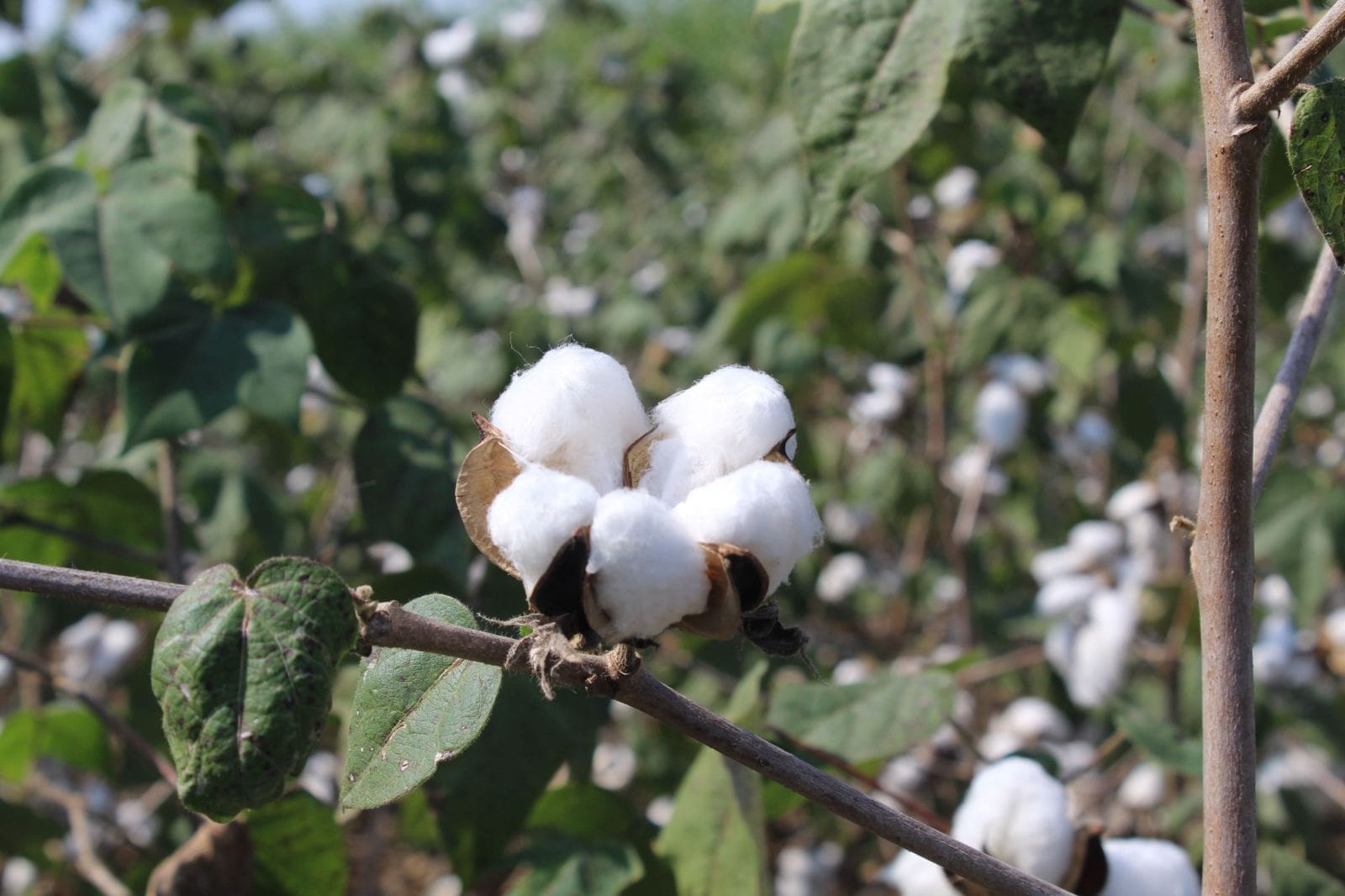
Each boll carries seed under the lint. Once the gin strips the lint, what is left is fuzzy cottonseed. Southernkraft plans to buy this seed from regional gins and process it close to where it is grown, instead of trucking it out of the region whole.
Core pillars
Oil is removed by screw pressing alone. No hexane or other solvent enters the process, so the cake carries no solvent residue and the site carries no solvent-handling risk.
The plant is projected for New South Wales, between cotton gins and the feedlot belt, to shorten seed haul-in and meal haul-out.
Screened 40–42% CP cracked flakes with at least 7% natural oil, designed to supply protein and energy in a single ration ingredient.
* Typical analysis, as fed basis. There may be variations of composition depending on seasonal conditions and raw materials.
How the line works
Fuzzy seed delivered from regional gins, weighed, sampled and cleaned of trash and stones.
Seed is cracked and prepared for pressing.
Single-pass dry-friction pressing of the kernels.
Cake cracked and screened to 4–15 mm flakes or coarse meal.
Crude oil filtered, then refined, bleached and deodorised.

At the feed bunk
Our aim is a cracked expeller flake that brings protein and natural cottonseed oil into the mixer together, so one commodity can cover two jobs in the ration.
* Typical analysis, as fed · varies with season & raw materials
Register interest
Registered stakeholders receive feasibility updates, specification revisions and invitations to ration trials or supply discussions as each stage opens.
Feasibility status. Project location, capacity, and development schedule remain subject to ongoing feasibility, commercial agreements, and required regulatory approvals. Product specifications shown are design targets, not guaranteed analyses.
5-stage structured roadmap
Each stage has its own workstreams and a set of outputs that must be in hand before the next stage starts. Stakeholders can see where the project stands and where their input feeds in.
Schedule note. Stage timing is indicative only. Project location, capacity, and development schedule remain subject to ongoing feasibility, commercial agreements, and required regulatory approvals.
Supply volumes, preferred product formats and delivered price benchmarks from ginners, feedlots and oil buyers set the plant's capacity and product mix.
Commercial specifications
Target specifications for the planned product range, written on the same basis buyers use to compare commodity offers. Final certificates of analysis will be issued per batch after commissioning.
End use · Feedlot and dairy rationsMechanically pressed cottonseed cake, screened into cracked flakes. Carries residual natural oil as an energy source alongside high bypass protein.
| Parameter | Target specification | Basis / notes |
|---|---|---|
| Physical form | 4–15 mm flakes | Screened cracked flakes. Coarse meal also available. |
| Crude protein (CP) | 40.0–42.0 %* | As fed basis, N × 6.25 |
| Fat (natural oil) | ≥ 7.0 %* | Residual expeller oil. Can displace supplemental tallow in rations. |
| Moisture | ≤ 10 % | Maximum, at dispatch |
| Metabolisable energy | ≥ 11.0 MJ/kg* | Ruminants, as fed |
| Solvent residue | Nil | 100% mechanical extraction, no hexane used |
* Typical analysis, as fed basis. There may be variations of composition depending on seasonal conditions and raw materials.
Hulls separated mechanically during seed preparation. A palatable, low-dust fibre source for roughage and mill blending.
| Parameter | Target specification | Basis / notes |
|---|---|---|
| Physical form | Bulk loose hulls | Separated fibrous hulls, aspirated |
| Fibre function | Effective fibre | Supports rumination and acts as a rumen buffer in high-grain rations |
| Palatability | High | Readily consumed; suited to step-up and drought rations |
| Dust | Low | Aspirated to remove fines |
| Proximate analysis | CoA per batch | CP, NDF, ADF and moisture reported once commissioning samples are available |
Food-grade frying oil refined from the expeller crude. Neutral in flavour and aroma with a high smoke point for continuous commercial frying.
| Parameter | Target specification | Basis / notes |
|---|---|---|
| Pack formats | 20 L · 1,000 L · Bulk | 20 L food-grade cubes, IBCs and bulk food tankers |
| Smoke point | > 230 °C | Fully refined oil |
| Flavour & aroma | Neutral | Deodorised; does not carry flavour between batches of product |
| Fatty acid profile | C16:0 ~22–26 % | Palmitic content gives crisp frying stability. Oleic ~15–20 %, linoleic ~50–55 % (typical cottonseed oil range). |
| Free fatty acids | CoA per batch | Along with peroxide value and colour, to food-grade RBD limits |
| Regulatory | FSANZ Code | Produced under a food safety program to the Australia New Zealand Food Standards Code |
Specification disclaimer. Project location, capacity, and development schedule remain subject to ongoing feasibility, commercial agreements, and required regulatory approvals. Feed inclusion rates should be set by a qualified ruminant nutritionist.
Market research · 3–4 minutes
Your answers set capacity, product formats and the delivered-price targets the feasibility study is built on. Individual responses stay confidential and are reported only in aggregate.
Contact the directors
Off-take, seed supply, site and infrastructure, or general questions. Enquiries are answered by a director, usually within two business days.
Verify our registration on the Australian Business Register (ABN Lookup) by searching "Southernkraft Industries".
Project location, capacity, and development schedule remain subject to ongoing feasibility, commercial agreements, and required regulatory approvals.
Choose a category so it reaches the right person.
FAQ
Yes, that is part of the design. Screw presses and modular refining are not specific to one seed. With adjustments to cage settings, conditioning and screening, the same line can press other oilseeds grown in the region.
Meal and hulls will be offered ex-mill or delivered in bulk tippers and walking-floor trailers. Site selection requires B-double access so loads can move at full legal payload.
Oil will ship in palletised 20 L cubes, 1,000 L IBCs or bulk food-grade tankers. Return loads of fuzzy seed from gins will be scheduled where possible to keep freight costs down.
Solvent plants need large scale to justify their cost and hazard controls. A mechanical line suits a regional plant: it uses no hexane, applies conditioning heat only when seed moisture needs correcting, and the 7% or more oil left in the cake is valuable energy for feedlot rations.
Scope is expected to be completed by October 2027. No prices are offered yet, as the project is in feasibility. Stakeholders who register or complete a survey will be the first to receive indicative pricing and sample availability once Stage 03 off-take discussions open.
No. All volumes, prices and preferences you share are indicative and non-binding for both parties. Commercial terms would only be set by a separate written agreement.